
The spiritual side of martial arts

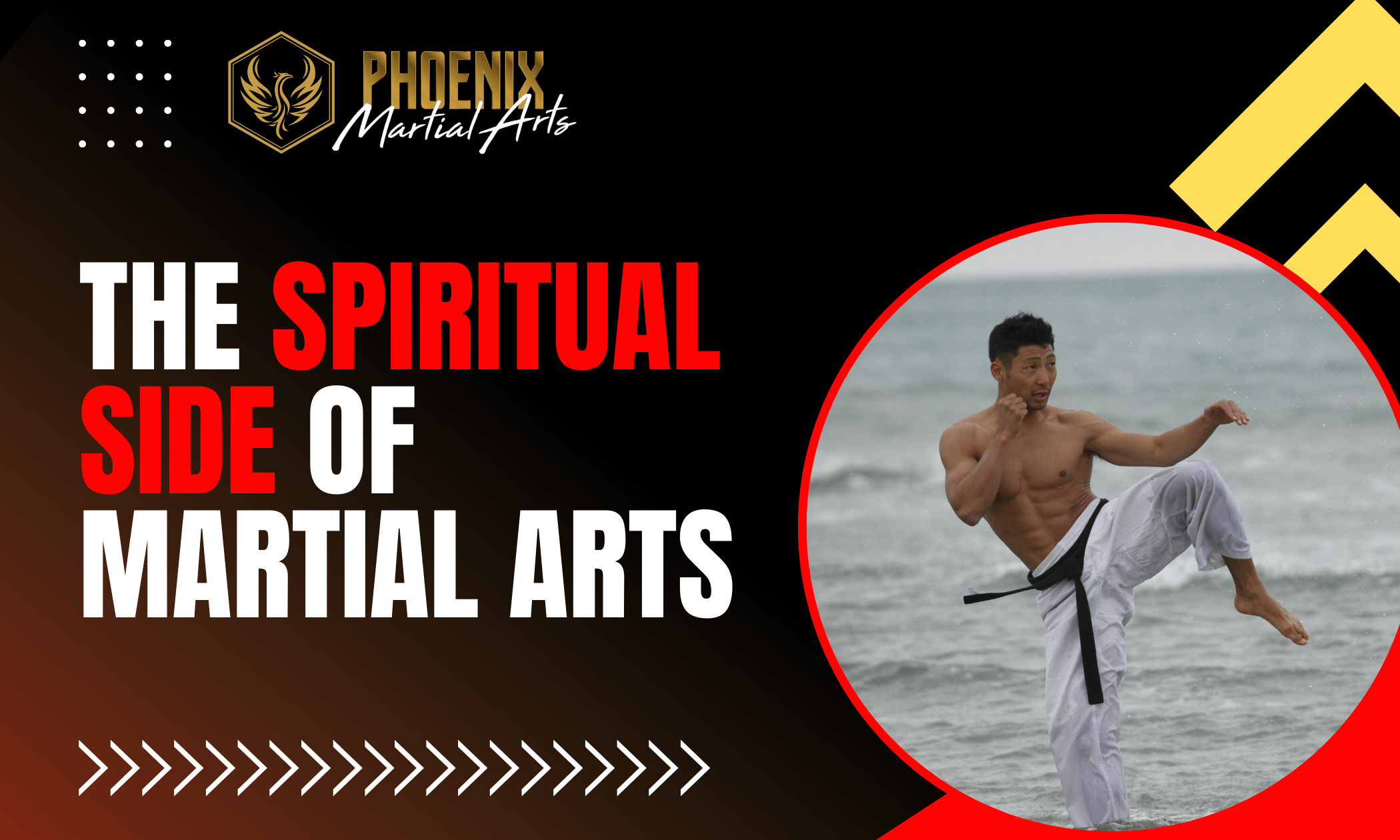
When most people think about martial arts, they picture punches, kicks, sweat, and hard training. Strength. Fitness. Self defence. All of that is true. But there is another side to martial arts that is quieter, deeper, and often more powerful than the physical side.
The spiritual side.
It is the part that keeps people training long after the novelty wears off. The part that changes how you think, how you react, and how you move through life.
At Phoenix Martial Arts, we see it all the time. People arrive wanting to get fitter or learn to defend themselves. They stay because something inside them starts to shift.
Have you ever noticed that martial arts seems to affect who you are, not just how you move?
Contents
- What does spirituality mean in martial arts
- The role of presence and mindfulness
- Discipline as a spiritual practice
- Respect and humility on the mat
- Breath as a bridge between body and mind
- Overcoming fear through controlled exposure
- The connection between effort and inner growth
- Training as a moving meditation
- Connection to others through shared effort
- Carrying martial arts values into daily life
- Why people stay for the deeper reasons
- Final thoughts
What does spirituality mean in martial arts
When people hear the word spiritual, they sometimes think it means religion or belief systems. In martial arts, spirituality is not about worship or doctrine. It is about awareness, discipline, respect, and connection.
It is about learning to be present in your body and your mind at the same time. It is about understanding yourself through movement, effort, and challenge.
Martial arts teaches you to slow down internally, even when things feel intense on the outside.
That lesson alone carries far beyond the training floor.
The role of presence and mindfulness
One of the first spiritual lessons martial arts teaches is presence.
You cannot be distracted and train well. If your mind wanders, your balance goes. Your timing is off. Your reactions slow down.
Martial arts forces you into the present moment. Not because someone tells you to be mindful, but because the training demands it.
At Phoenix Martial Arts, we often see students arrive stressed from work, family, or daily life. Within minutes of training, those worries fade into the background. Not because the problems disappear, but because attention shifts to breath, movement, and awareness.
When was the last time you felt fully present without trying to be?
Discipline as a spiritual practice
Discipline is often misunderstood. People think it is about punishment or force. In martial arts, discipline is about commitment and self respect.
Showing up when you do not feel like it.
Training with focus instead of rushing.
Practising basics even when you want to skip ahead.
These habits build something deeper than physical skill. They build trust in yourself.
We have experienced this personally. There are days when training felt heavy, but showing up anyway reinforced a quiet confidence. A belief that you can rely on yourself, even when motivation is low.
That belief carries into everyday life.
Respect and humility on the mat
Bowing, listening, and following instruction are not empty traditions. They are tools for humility.
Martial arts reminds you that there is always more to learn. No matter how skilled you become, there is someone who can teach you something new.
At Phoenix Martial Arts, respect is not about hierarchy. It is about recognising effort, growth, and shared commitment.
Humility keeps the ego in check. It allows learning to continue.
Ask yourself honestly. How often do you slow down enough to truly listen and learn?
Breath as a bridge between body and mind
Breathing is automatic, yet rarely noticed. Martial arts brings awareness back to breath.
Breathing controls energy.
Breathing controls tension.
Breathing controls fear.
During training, breath becomes an anchor. When movements feel challenging, breath keeps you steady. When fatigue sets in, breath helps you stay calm.
We have found that this awareness of breath gradually appears outside the gym as well. In stressful moments, the body remembers how to slow down.
That is spirituality in action.
Overcoming fear through controlled exposure
Fear is part of martial arts. Fear of failing. Fear of being watched. Fear of getting things wrong.
Instead of avoiding fear, martial arts invites you to face it in a controlled environment.
Each time you step forward despite fear, something shifts internally. Confidence grows. Self trust strengthens.
At Phoenix Martial Arts, we have seen people surprise themselves. Not because they became fearless, but because they learned they could act even while feeling fear.
That lesson transforms how people approach challenges beyond training.
The connection between effort and inner growth
Progress in martial arts is gradual. There are no shortcuts. Improvement comes through repetition, patience, and persistence.
This teaches a powerful spiritual lesson. Growth takes time.
We live in a world that rewards speed and instant results. Martial arts quietly pushes back against that mindset. It reminds you that meaningful change is built slowly.
Have you noticed how satisfying it feels to earn progress instead of rushing it?
Training as a moving meditation
For many people, martial arts becomes a form of moving meditation.
The repetition of techniques.
The rhythm of drills.
The focus required to execute movements well.
Thoughts settle. Awareness sharpens. The mind becomes quieter.
At Phoenix Martial Arts, students often describe leaving training feeling lighter, calmer, and clearer. Not exhausted in a negative way, but grounded.
That sense of grounding is a spiritual experience, even if it is never labelled as such.
Martial arts is not a solitary path. Training alongside others creates connection.
Shared effort builds respect.
Shared struggle builds empathy.
Shared progress builds community.
We have experienced how powerful this connection can be. Supporting each other through challenges, celebrating improvements, and learning together creates bonds that go deeper than surface level interaction.
Spiritual growth often happens in community, not isolation.
Carrying martial arts values into daily life
The spiritual side of martial arts does not stay on the mat.
It shows up in how you handle stress.
How you respond to conflict.
How you treat others.
How you speak to yourself.
At Phoenix Martial Arts, we see students become more patient, more confident, and more self aware over time. Not because they were told to change, but because the training shaped them naturally.
That is the quiet power of martial arts.
Why people stay for the deeper reasons
Fitness goals change. Weight goals change. Schedules change.
What keeps people training long term is the internal shift. The sense of purpose. The feeling of alignment between body and mind.
We have seen people start training for physical reasons and stay because martial arts helped them reconnect with themselves.
Have you ever felt that training gives you more than you expected?
Final thoughts
The spiritual side of martial arts is not something you chase. It unfolds naturally through consistent practice, reflection, and effort.
It teaches presence without forcing it.
Discipline without harshness.
Strength without arrogance.
Confidence without ego.
At Phoenix Martial Arts, we believe this inner journey is just as important as physical skill. It is what turns training into a lifelong practice rather than a short term goal.
So here is a question to leave you thinking.
If martial arts can strengthen your body, calm your mind, and shape the way you move through life, is it time you experienced that journey for yourself?


