
How meditation can help you in martial arts

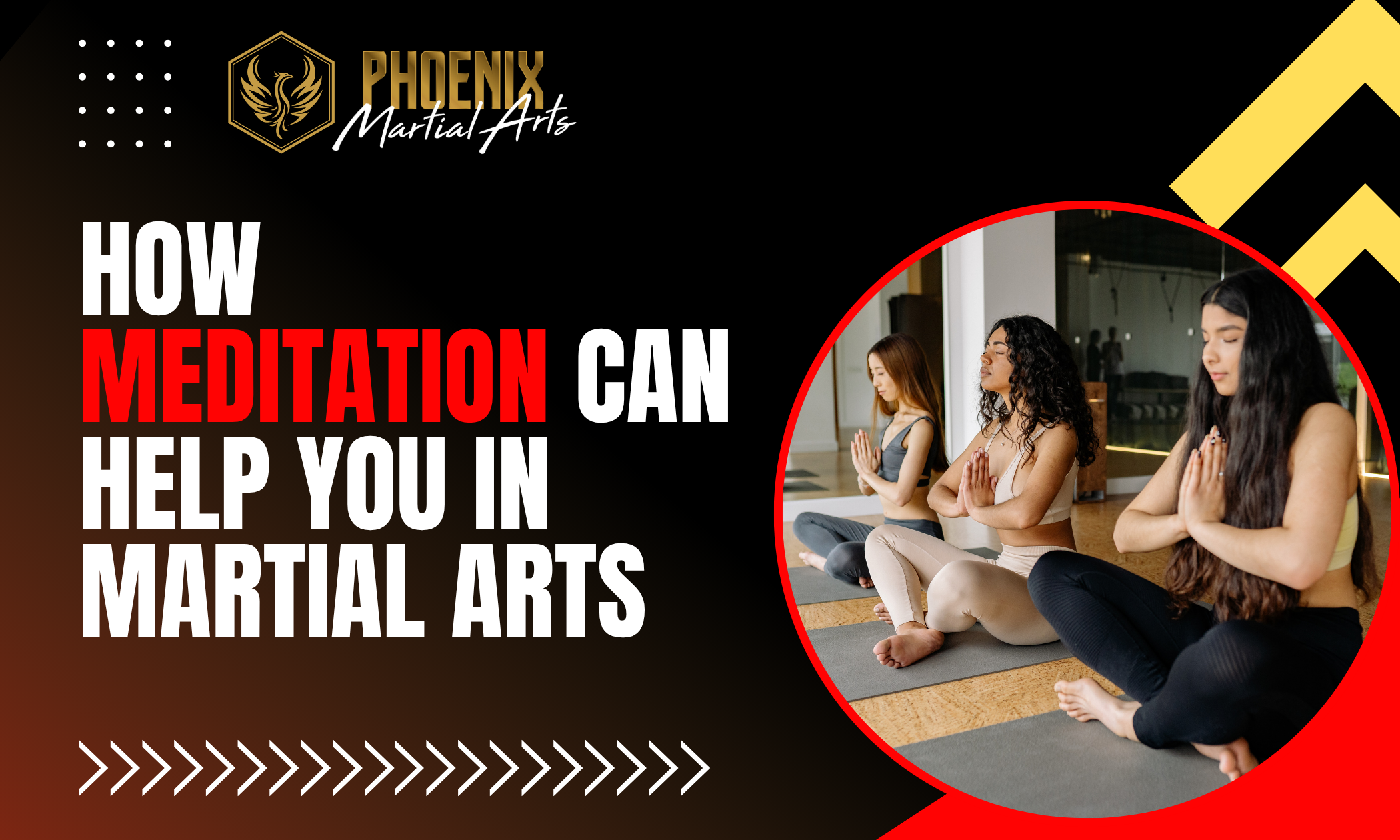
When people think about martial arts training, meditation is probably not the first thing that comes to mind.
Most people picture pads, sparring, sweat, kicks, punches, and intense workouts. But if you speak to experienced martial artists, many will tell you that one of the most powerful tools in training isn’t physical at all.
It’s mental.
At Phoenix Martial Arts, we often talk about focus, control, and awareness. Meditation helps strengthen all of those things. And no, it doesn’t mean sitting silently for hours trying to empty your mind completely.
Meditation is much more practical than people think.
So how exactly can meditation improve your martial arts journey?
Martial arts starts in the mind
Before a technique becomes smooth, your mind has to process it first.
Before you stay calm under pressure, your thoughts need to settle.
Before you react correctly, your focus needs to sharpen.
This is where meditation comes in.
Meditation trains your attention. It teaches you how to stay present instead of distracted by nerves, frustration, or overthinking.
Have you ever been sparring while your mind was racing?
Maybe you started thinking too far ahead. Maybe fear crept in. Maybe frustration made you rush your movements.
Meditation helps bring your attention back to the moment.
Meditation improves focus during training
One of the biggest struggles in martial arts is staying mentally focused.
Distractions happen constantly:
-
worrying about getting techniques wrong
-
comparing yourself to others
-
replaying mistakes in your head
Meditation teaches you to notice distractions without getting stuck in them.
At Phoenix Martial Arts, focus is a huge part of development. Students who improve their focus often notice that their reactions become quicker and their movements more controlled.
Why?
Because their mind stops fighting itself.
Staying calm under pressure
Pressure changes everything.
Even techniques you know well can suddenly feel difficult when adrenaline kicks in. Your breathing changes, your muscles tense, and your thoughts speed up.
Meditation helps regulate that response.
By practising calm breathing and awareness regularly, you train your nervous system to stay steadier under stress.
We’ve experienced this ourselves. There were moments in sparring or competition where nerves wanted to take over. But slowing the breath and staying present made a huge difference.
At Phoenix Martial Arts, this calmness is something students gradually build through consistent training and mental discipline.
Meditation helps control emotions
Martial arts can bring out strong emotions.
Frustration when progress feels slow.
Anger after making mistakes.
Fear before sparring.
Meditation doesn’t stop emotions from appearing, but it helps you respond to them differently.
Instead of reacting immediately, you become more aware of what you’re feeling. That awareness creates space to choose your response.
Ask yourself this. How often do emotions affect your performance during training?
Better breathing leads to better movement
Breathing is one of the most overlooked parts of martial arts.
When people get stressed or tired, they often hold their breath without realising it. This creates tension, drains energy, and slows reactions.
Meditation teaches controlled breathing.
At Phoenix Martial Arts, students who improve their breathing often notice:
-
better stamina
-
smoother movement
-
less tension during sparring
-
improved recovery between rounds
The body moves differently when the mind is calm.
Meditation improves self awareness
Martial arts is not just about learning techniques. It’s about learning yourself.
Meditation helps you become more aware of:
-
your habits
-
your reactions
-
your fears
-
your strengths and weaknesses
This self awareness is incredibly valuable in training.
For example, you may notice that you tense up under pressure or lose focus after making mistakes. Once you become aware of these patterns, you can start improving them.
At Phoenix Martial Arts, growth often starts with awareness before technique.
Recovery matters too
Meditation doesn’t just help during training. It also supports recovery.
Martial arts puts stress on both the body and mind. Constant tension can leave you feeling drained, sore, and mentally exhausted.
Meditation encourages relaxation and recovery by helping the nervous system slow down.
Have you ever noticed how difficult it is to recover properly when your mind feels constantly busy?
A calmer mind often leads to better recovery and better performance overall.
Building patience through meditation
Martial arts takes time.
There are no shortcuts to strong technique, balance, timing, or confidence. Progress happens gradually, which can sometimes feel frustrating.
Meditation teaches patience.
Instead of chasing instant results, you learn to focus on the process itself. That shift changes how you approach training.
At Phoenix Martial Arts, students who develop patience tend to stay more consistent and enjoy the journey more.
Meditation can reduce fear
Fear is normal in martial arts.
Fear of failing.
Fear of getting hit.
Fear of embarrassment.
Meditation helps reduce fear by training you to stay present rather than imagining worst case scenarios.
Fear usually lives in the future. Meditation brings your attention back to what’s happening right now.
We’ve seen students become far more confident simply because they learned how to calm their thoughts before training.
You don’t need to meditate perfectly
One reason people avoid meditation is because they think they’re bad at it.
Their mind wanders. They get restless. They feel awkward sitting still.
That’s normal.
Meditation is not about having zero thoughts. It’s about noticing when your attention drifts and gently bringing it back.
In many ways, martial arts works the same way. You make mistakes, adjust, and continue learning.
At Phoenix Martial Arts, perfection is never the goal. Progress is.
Meditation strengthens the connection between mind and body
One of the most important benefits of meditation is the connection it creates between your mind and body.
You begin to notice:
-
tension in your shoulders
-
shallow breathing
-
emotional reactions
-
loss of focus
This awareness allows you to adjust before those things affect your training.
Martial arts becomes smoother when the mind and body work together instead of against each other.
Meditation beyond the mat
The benefits of meditation don’t stop when class ends.
Students often notice improvements in:
-
stress management
-
confidence
-
emotional control
-
sleep quality
-
everyday focus
At Phoenix Martial Arts, we believe martial arts should improve your life outside the gym as much as inside it.
Meditation supports that growth.
Starting small makes a big difference
You don’t need an hour long meditation session to see benefits.
Even a few minutes of quiet breathing before training can help:
-
clear your mind
-
reduce nerves
-
improve focus
Small habits done consistently often create the biggest changes over time.
Have you ever given yourself a moment to slow down before stepping onto the mat?
Final thoughts
Meditation and martial arts work together more naturally than many people realise.
One trains the body.
The other trains the mind.
Together, they help you become calmer, sharper, and more aware both during training and in everyday life.
At Phoenix Martial Arts, we believe true strength is not just physical. It’s the ability to stay focused, controlled, and present no matter what challenges you face.
So here’s something to think about.
If a calmer mind could improve your reactions, confidence, and performance in martial arts, why wouldn’t you train your mind the same way you train your body?
If you’re ready to develop both physical skill and mental strength, Phoenix Martial Arts is here to support your journey every step of the way.


